The Forged Flare Story
Partnerships
Building Relationships That Helped the Brand Grow — And Give Back
As Forged Flare® grew, I looked for opportunities to build relationships with organizations that aligned with both our values and our business. Some began with a cold email and an idea. Others came to us as the brand gained visibility.
I developed and managed partnerships spanning nonprofit organizations, licensing, retail marketplaces, and cause-based products — from the first conversation through agreements, product development, approvals, technology, marketing, and ongoing coordination.
My Role
Partnership Development · Business Development · Licensing · Retail Partnerships · Product Development · Marketing
Turning "We Should Do Something" Into a Partnership
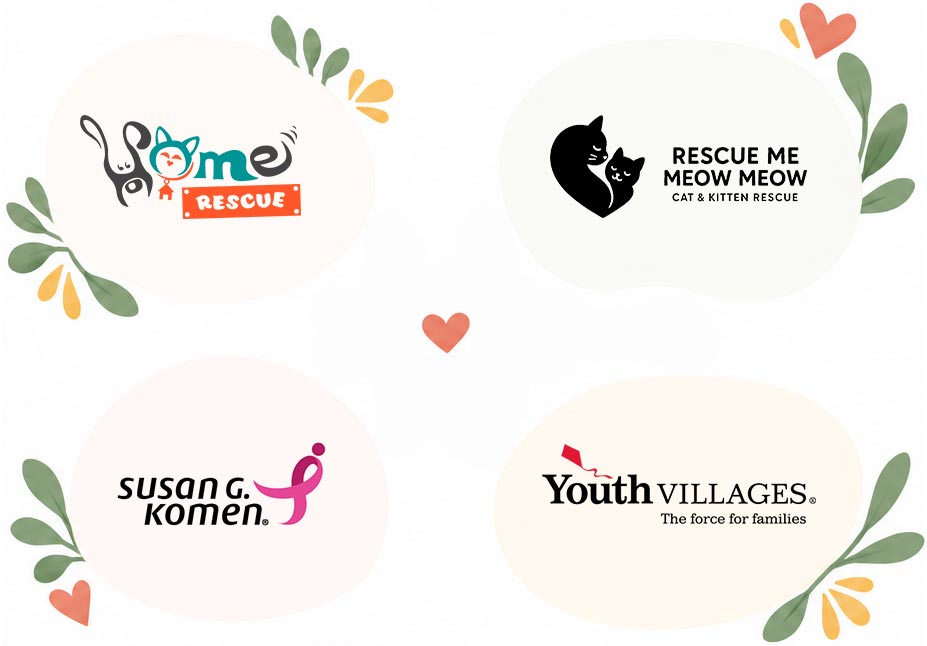
Giving back became a natural extension of our mission to spread a little joy. Rather than simply choosing organizations and making occasional donations, I wanted to create partnerships that could become an ongoing part of the business.
I identified organizations that connected meaningfully with our products and values, researched partnership opportunities, created custom pitch pages, and cold-emailed organizations directly. Those introductions often led to meetings, proposals, agreements, product development, licensing and legal approvals, and coordinated launches.
Building Giving Into the Business
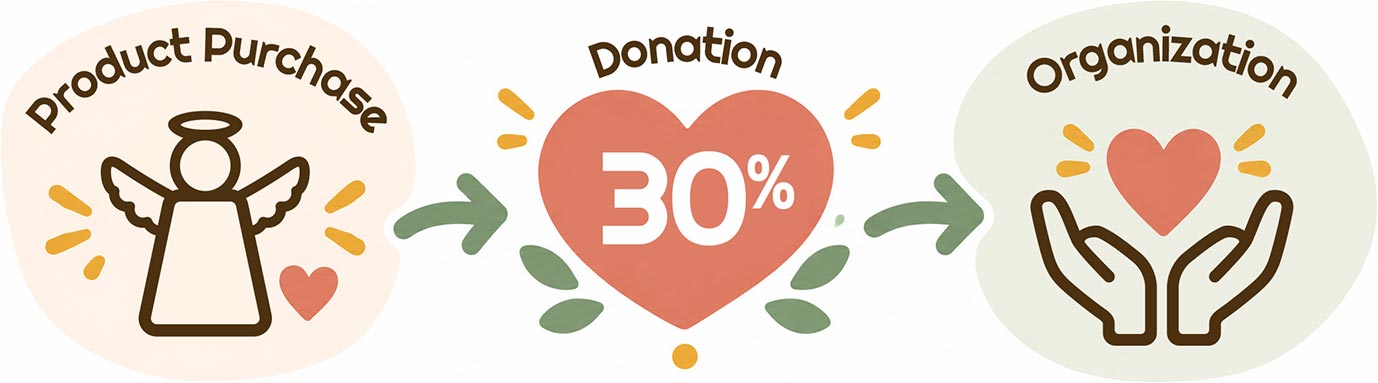
I also wanted giving back to be sustainable for both Forged Flare® and our partners. For our chosen organizations, we donate 30% of proceeds from qualifying products and cover the associated transaction fees, allowing more of each contribution to reach the organization.
I integrated technology that automates the donation process as purchases are made, reducing administrative work for both sides and turning what could have been a manual process into an ongoing part of our e-commerce operation.
Expanding Into New Retail Channels
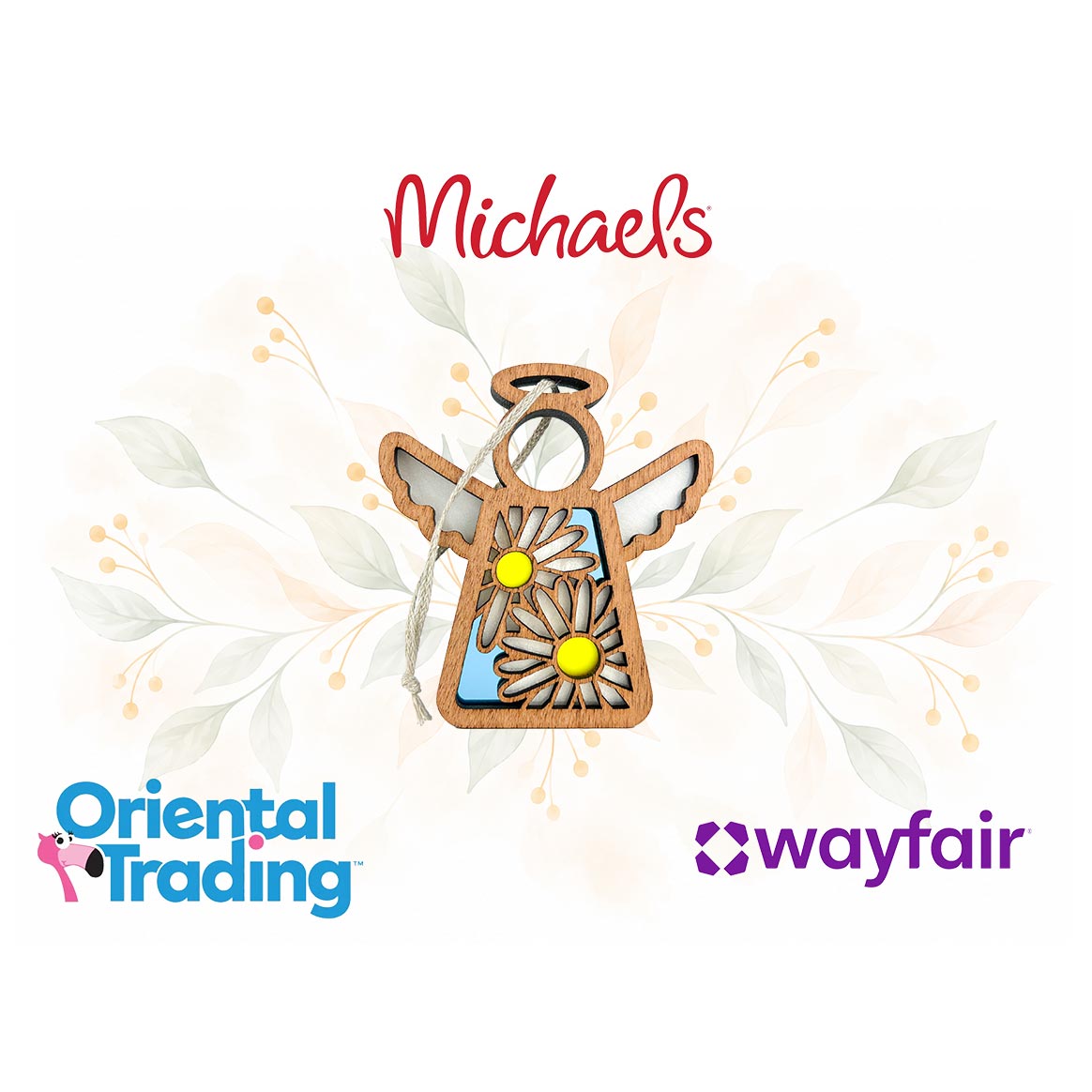
As Forged Flare® gained visibility, new partnership opportunities began coming to us. Retailers and marketplaces including Michaels, Wayfair, and Oriental Trading Company approached us about bringing our products to their platforms.
Each opportunity required learning a new system, evaluating requirements, adapting product information and operations, and determining whether the partnership made sense for the business. We became the first small handmade seller to sell through Michaels' main website rather than its handmade marketplace, giving me firsthand experience navigating what happens when a small brand enters a much larger retail ecosystem.
Not every partnership ultimately proved to be the right fit — and that became part of the learning process, too. Each one helped me better understand channel requirements, operational costs, customer fit, and when an opportunity was worth pursuing.
More Than a Logo On a Page
The partnerships that worked best were the ones that made sense for both sides. Whether I was reaching out to a nonprofit we believed in or evaluating an invitation from a national retailer, my role was to figure out what the opportunity could become, what it would take to make it work, and whether it was right for the brand.